Background
Anyone who has ever been involved in a dispute knows the feeling.
And still, nothing changes. This case involved an individual who had spent months trying to resolve an issue through ordinary communication channels. Despite repeated attempts, progress remained extremely limited.
What began as a simple concern slowly turned into a frustrating cycle of unanswered questions and unresolved issues.
The Challenge
The challenge wasn't a lack of communication. It was a lack of effective communication. Information was spread across various emails, messages, and conversations.
There was no structured system for presenting concerns, tracking responses or documenting interactions. Without that structure, every new conversation required the same explanations to be repeated over and over again.
Our Approach
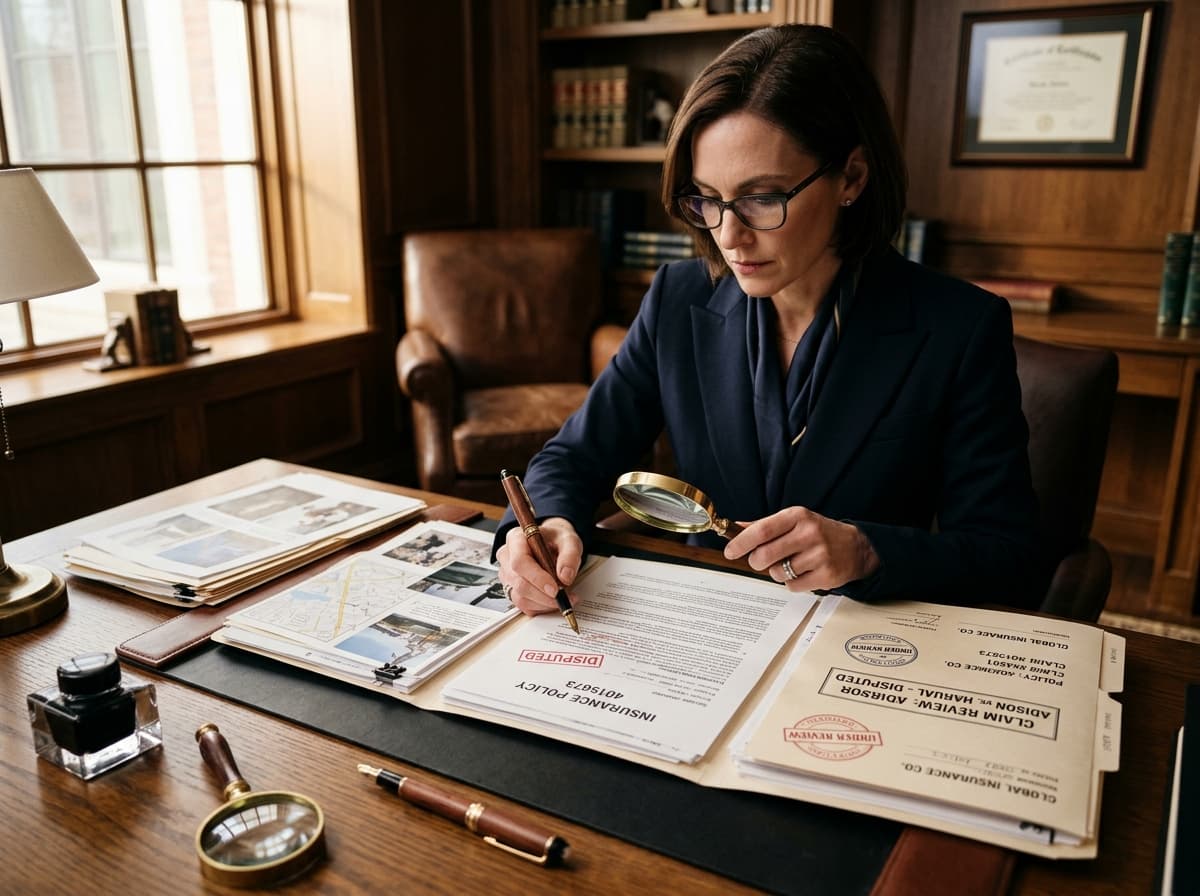
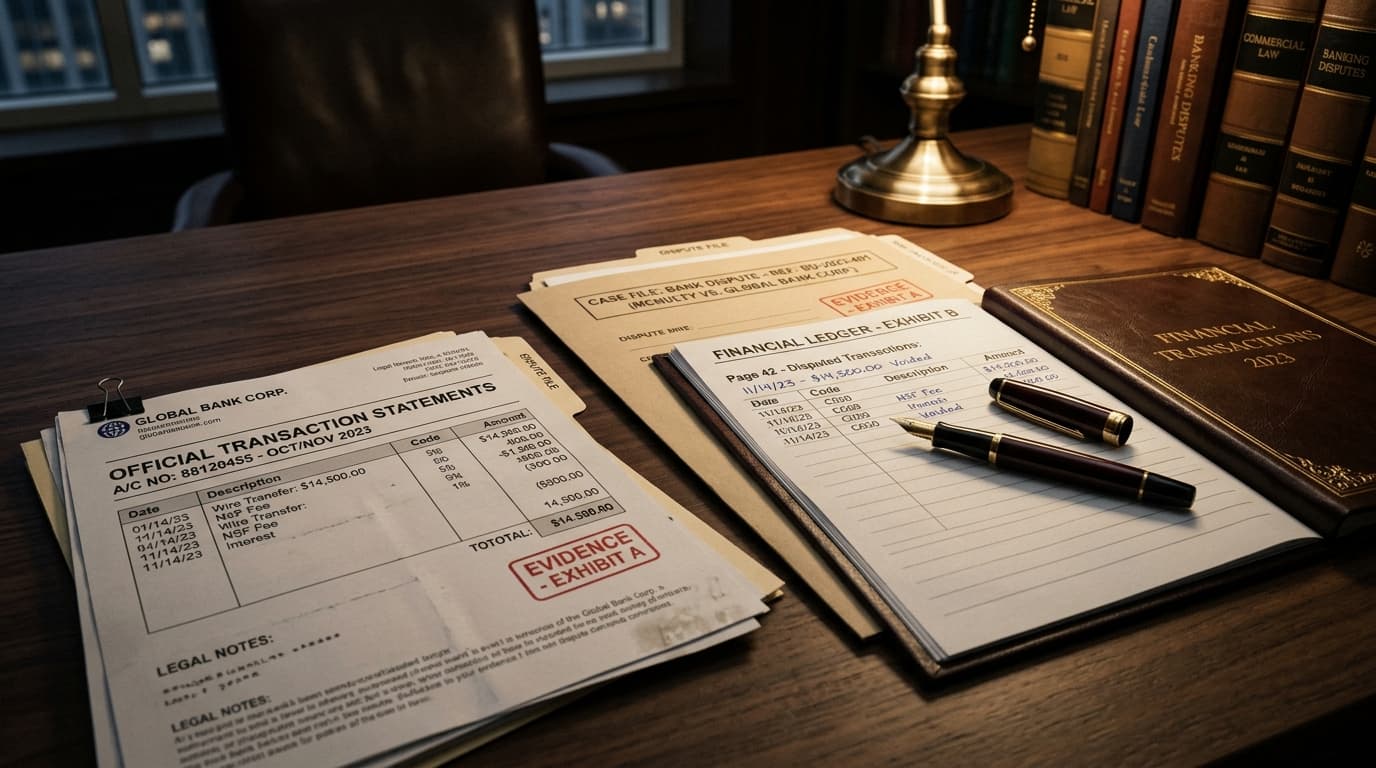
The first priority was establishing clarity. Communications were organized, timelines were developed and supporting documentation was consolidated. A more formal communication strategy was then adopted to ensure concerns, requests, and responses were clearly documented.
Rather than chasing progress through scattered interactions, the objective became creating a structured communication trail.
The Outcome
Case Resolution
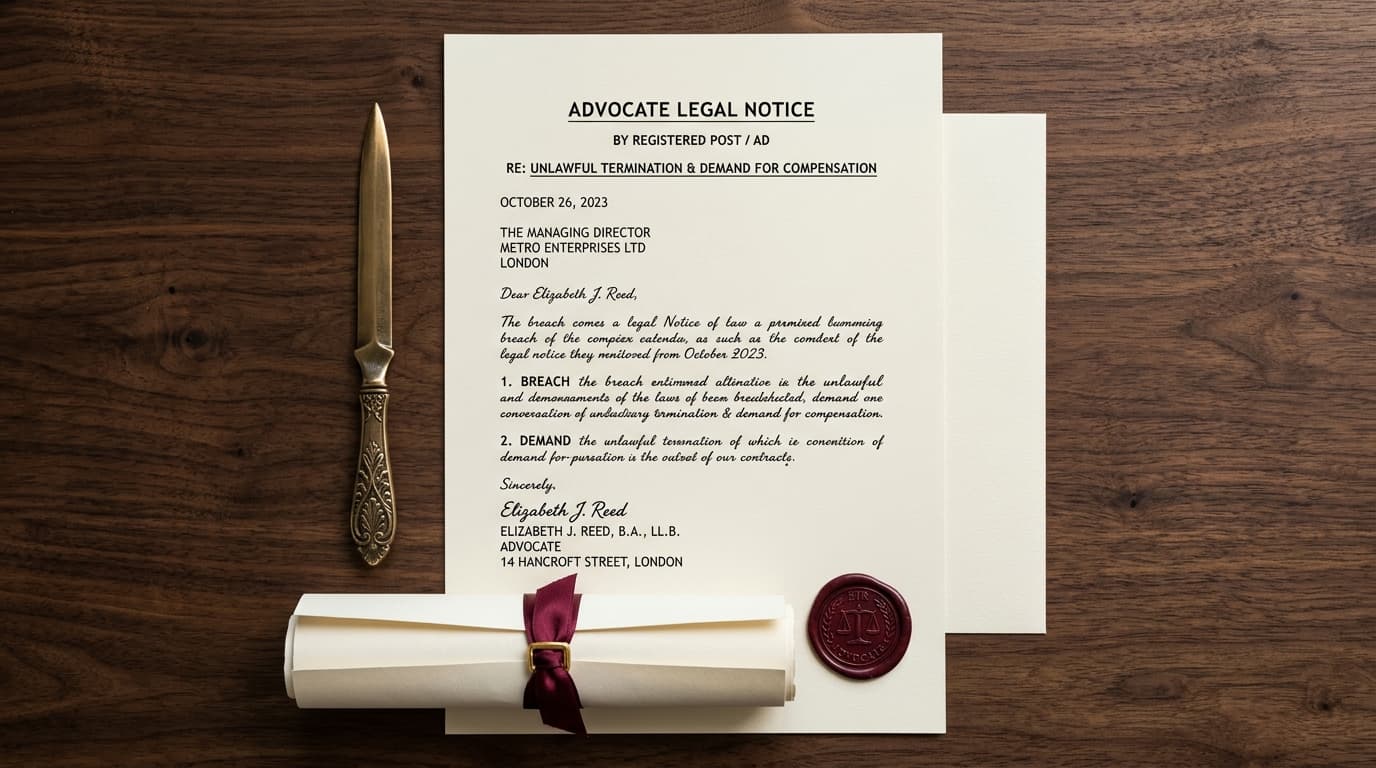
The use of formal notice procedures and documented grievance mechanisms helped encourage meaningful engagement and opened opportunities for further discussions aimed at resolution.
Key Insight
Strategic Takeaway
In many disputes, progress begins when communication becomes structured. Clear records, clear timelines, and clear expectations often create the foundation needed for productive discussions.